More than 1,500 people helped us to define what is special about the South Downs National Park. These special qualities and how people connect and interact with them are what give the National Park its unique sense of place. The South Downs National Park is a place to experience and connect with beauty, nature, culture and heritage. It is an outdoor classroom and a place of inspiration, community, work, rest, wellbeing and of welcome.
About the South Downs
The South Downs National Park has it all:
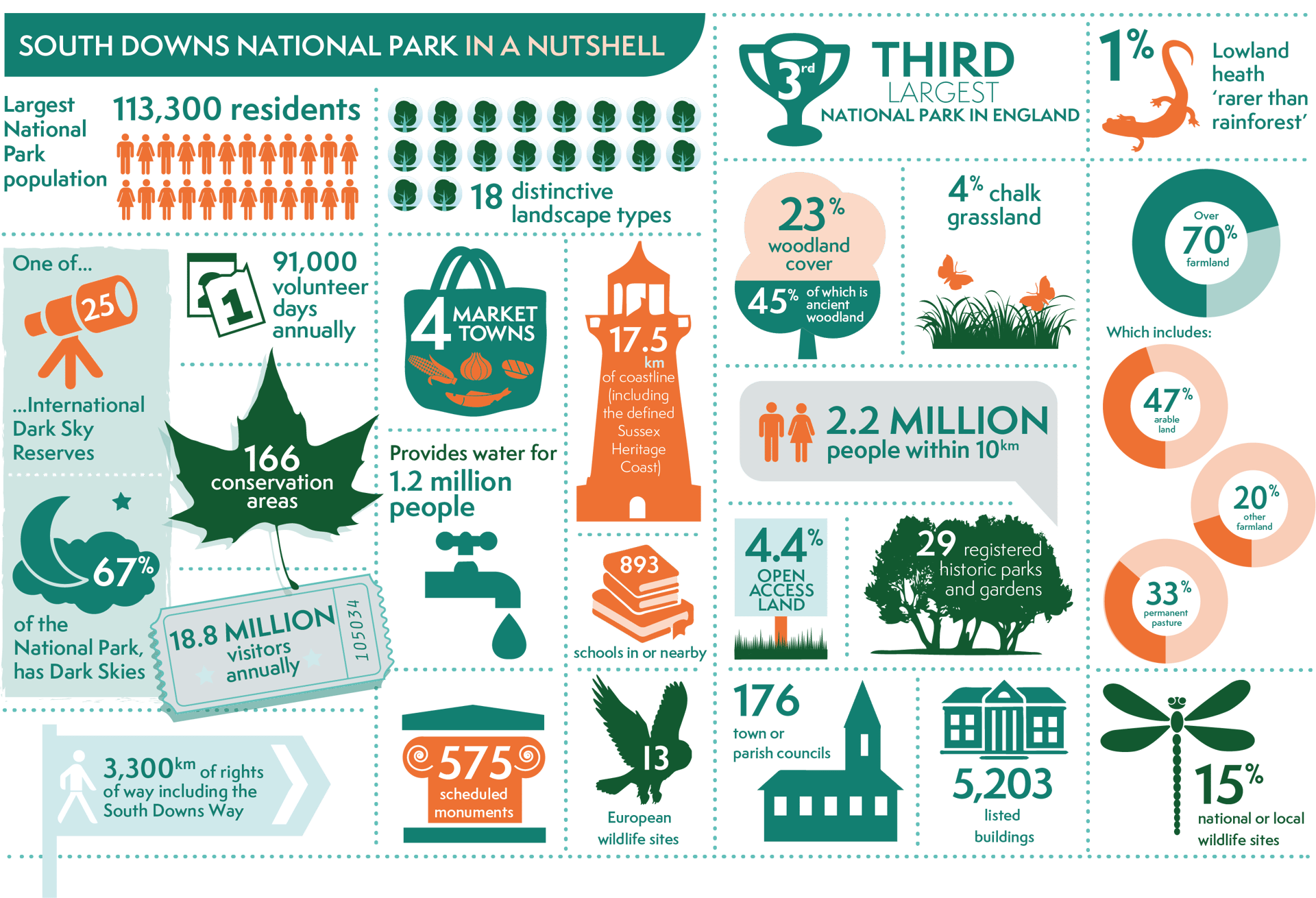
The South Downs National Park has it all – rolling hills, species-rich chalk grassland, glorious heathland, internationally-important chalk streams, river valleys, ancient woodland, dark skies, thriving villages and market towns, as well as the iconic white cliffs of the Heritage Coast. The UK’s youngest and most densely populated National Park, it covers over 1,600 square kilometres of England’s most valued lowland landscapes in the busiest part of the UK and has the largest rights of way network of any National Park at 3,300km.
This landscape has been beloved and shaped by generations of people over many thousands of years – from the earliest settlers to the Romans, Saxons and Normans, through to the farmers, foresters, businesses and communities of more recent times.
“Our blunt, bow headed, whale backed downs” have provided inspiration for writers, artists and creative minds from Virginia Woolf to Jane Austen to Tennyson, and continue to do so today. The great fictional Sherlock Holmes himself “retired” to the South Downs countryside to tend bees where he had “given myself up entirely to that soothing life of Nature for which I had so often yearned”.
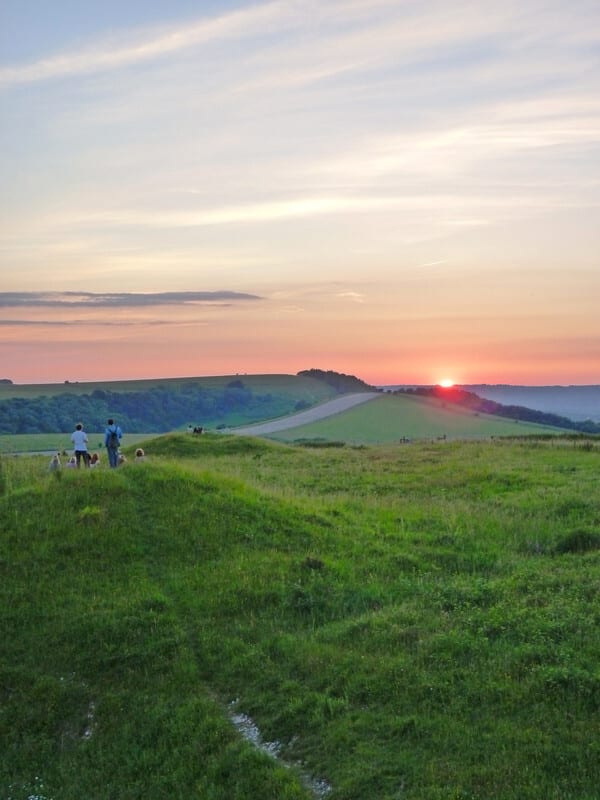
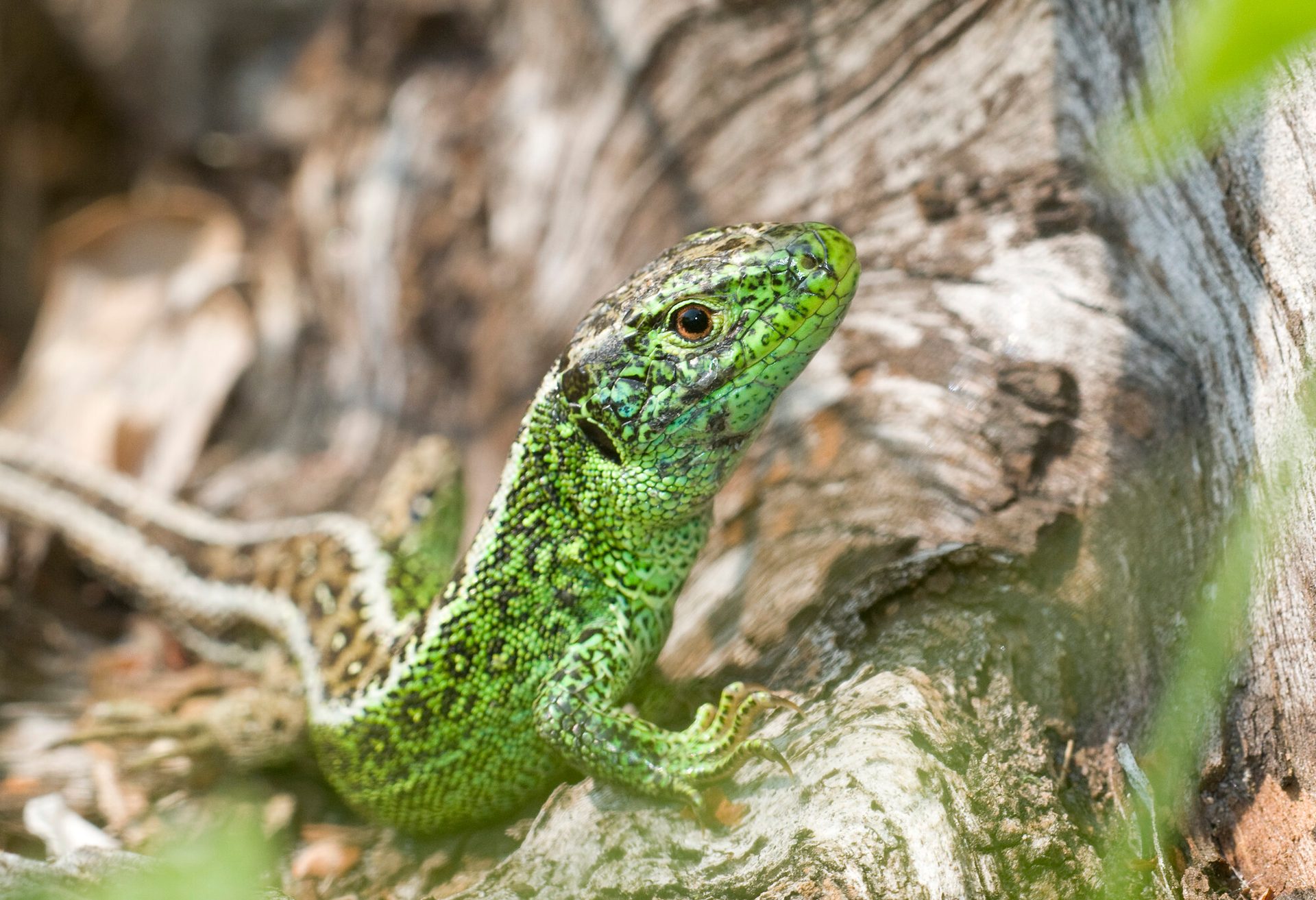
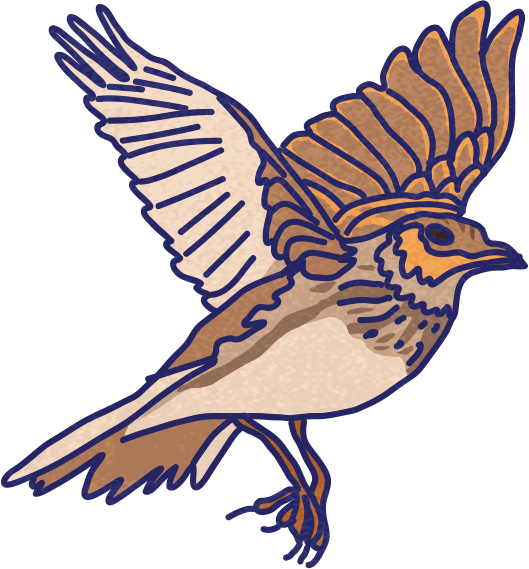
The South Downs National Park is home to some incredibly beautiful and rare habitats and wildlife – a rich mosaic of nature. Our chalk grassland has up to 40 species in 1 square metre and our lowland heath is rarer than rainforest and home to 12 of our 13 native reptiles and amphibians.
© Neil Hulme
© D Middleton

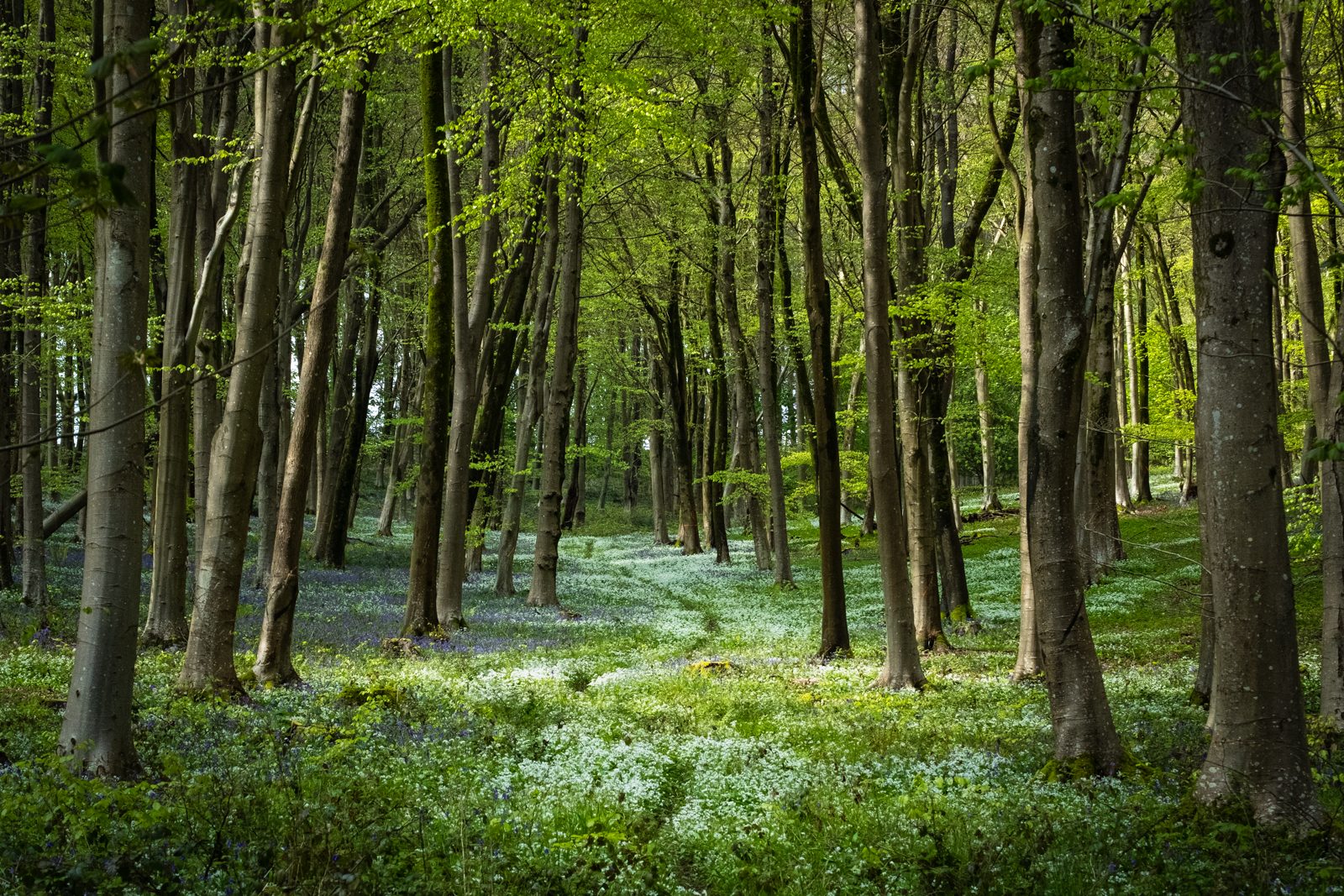
The National Park has the most woodland by area of any National Park in England and Wales, 45 per cent of which is ancient woodland. It is a landscape that has been and continues to be shaped by farming. Its watery landscapes include rare chalk streams, internationally important wetlands, river valleys, dew ponds, a stunning coastline and an underground aquifer that supplies water to millions of people and our wildlife.
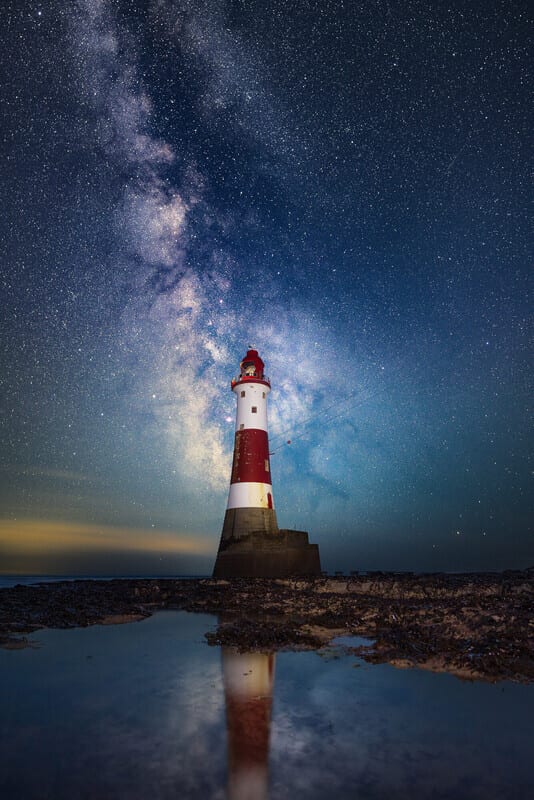
Our International Dark Sky Reserve provides the closest dark night skies to over 17 million people.

© Brian Mills
© Stewart Reading Brown
South Downs National Park in a Nutshell
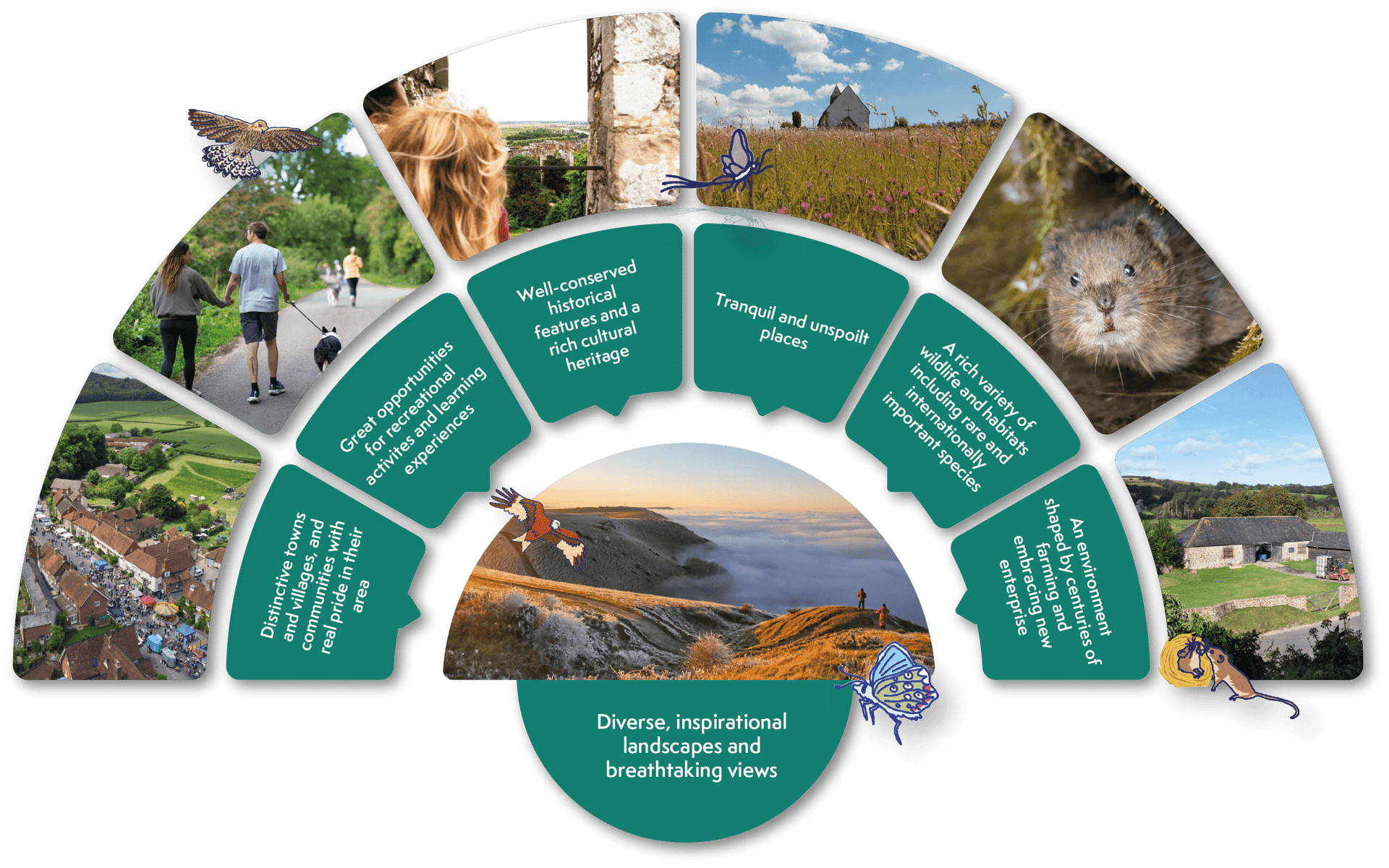
Our Special Qualities
More than 1,500 people helped us to define what is special about the South Downs National Park. These special qualities and how people connect and interact with them are what give the National Park its unique sense of place. The South Downs National Park is a place to experience and connect with beauty, nature, culture and heritage. It is an outdoor classroom and a place of inspiration, community, work, rest, wellbeing and of welcome.
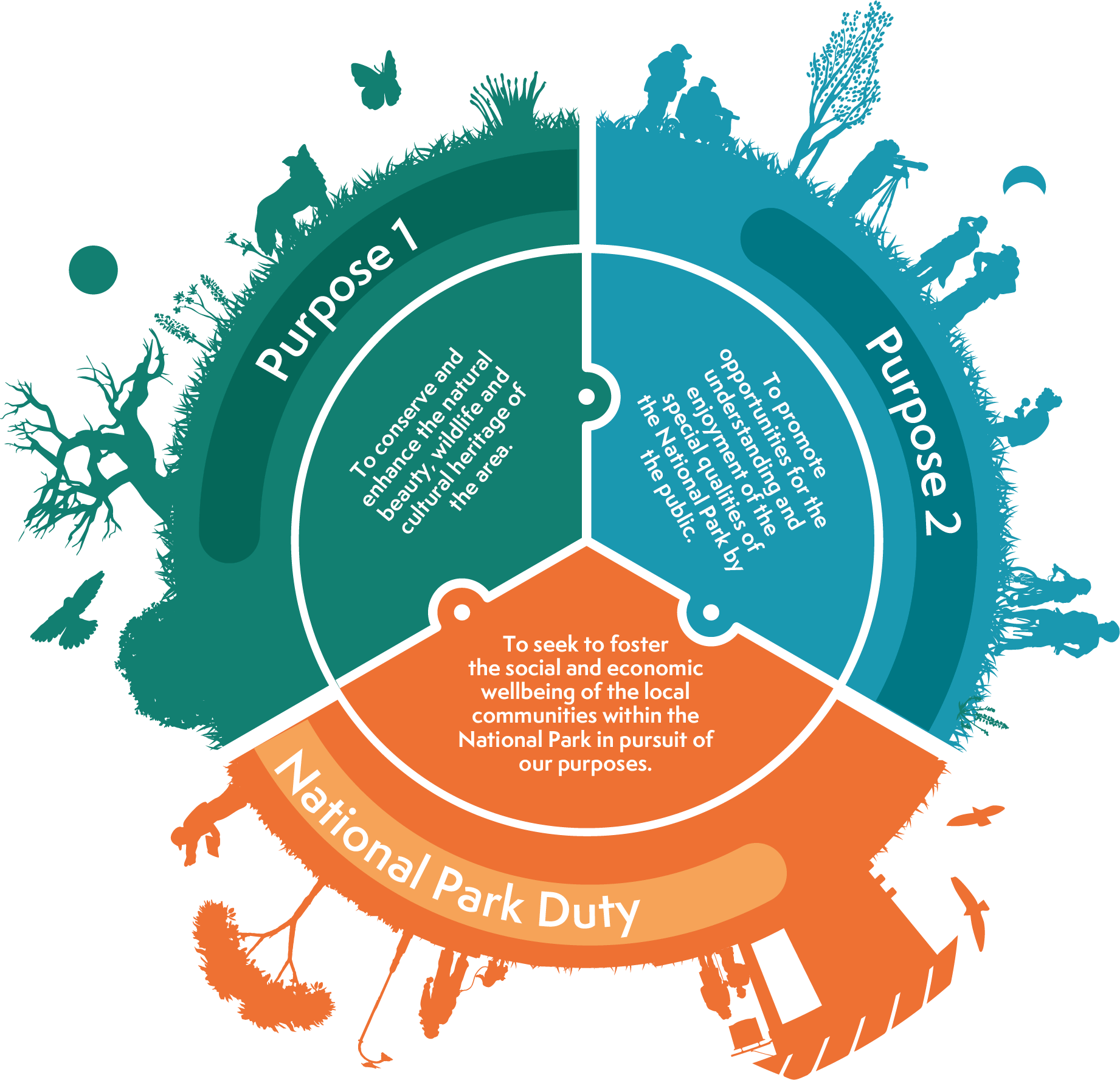
Our Purposes and Duty
National Parks have two purposes set out in law. National Park Authorities also have a social and economic duty to be considered when delivering the two purposes.
The Sandford Principle: When there is conflict between these two purposes that cannot be reconciled, greater weight should be given to the first purpose.
Looking to the future
Over the last 15 years partners across the National Park have delivered some incredible successes from bringing back water voles to the River Meon, planting over 50,000 trees, to supporting 40,000 young people to access learning outdoors in the National Park. Many of these successes have been delivered in partnership with the farmers and land managers of the National Park, both individually and working together as part of farm clusters. Working with the other National Park families we have signed up to Race to Zero to take climate action. We have also launched the thought-provoking “We Hear You Now trail” with stories from writers of diverse heritage.
Yet, we know there is so much more to do. The nature and climate crises continue to threaten the National Park and there are still far too many people and communities who do not feel welcome in, or able to access, this National Park. Their National Park. Simply put, we want nature everywhere, for everyone.
The amazing South Downs National Park and the part it plays in our nationwide nature recovery, wellbeing and climate action needs us to work together to be more ambitious, continue to build fantastic partnerships and to deliver more, not less.
If not here, in one of our most treasured landscapes, then where?

National Parks have two purposes set out in law. National Park Authorities also have a social and economic duty to be considered when delivering the two purposes.
Over the last 15 years partners across the National Park have delivered some incredible successes from bringing back water voles to the River Meon, planting over 50,000 trees, to supporting 40,000 young people to access learning outdoors in the National Park. Many of these successes have been delivered in partnership with the farmers and land managers of the National Park, both individually and working together as part of farm clusters. Working with the other National Park families we have signed up to Race to Zero to take climate action. We have also launched the thought-provoking “We Hear You Now trail” with stories from writers of diverse heritage.
Yet, we know there is so much more to do. The nature and climate crises continue to threaten the National Park and there are still far too many people and communities who do not feel welcome in, or able to access, this National Park. Their National Park. Simply put, we want nature everywhere, for everyone.
The amazing South Downs National Park and the part it plays in our nationwide nature recovery, wellbeing and climate action needs us to work together to be more ambitious, continue to build fantastic partnerships and to deliver more, not less. If not here in one of our most treasured landscapes, then where?
Yet, we know there is so much more to do. The nature and climate crises continue to threaten the National Park and there are still far too many people and communities who do not feel welcome in, or able to access, this National Park. Their National Park. Simply put, we want nature everywhere, for everyone.
The amazing South Downs National Park and the part it plays in our nationwide nature recovery, wellbeing and climate action needs us to work together to be more ambitious, continue to build fantastic partnerships and to deliver more, not less. If not here in one of our most treasured landscapes, then where?
Our Special Qualities
More than 1,500 people helped us to define what is special about the South Downs National Park. These special qualities and how people connect and interact with them are what give the National Park its unique sense of place. The South Downs National Park is a place to experience and connect with beauty, nature, culture and heritage. It is an outdoor classroom and a place of inspiration, community, work, rest, wellbeing and of welcome.
Our Purposes and Duty
National Parks have two purposes set out in law. National Park Authorities also have a social and economic duty to be considered when delivering the two purposes.
The Sandford Principle: When there is conflict between these two purposes that cannot be reconciled, greater weight should be given to the first purpose.
Looking to the future
Over the last 15 years partners across the National Park have delivered some incredible successes from bringing back water voles to the River Meon, planting over 50,000 trees, to supporting 40,000 young people to access learning outdoors in the National Park. Many of these successes have been delivered in partnership with the farmers and land managers of the National Park, both individually and working together as part of farm clusters. Working with the other National Park families we have signed up to Race to Zero to take climate action. We have also launched the thought-provoking “We Hear You Now trail” with stories from writers of diverse heritage.
Yet, we know there is so much more to do. The nature and climate crises continue to threaten the National Park and there are still far too many people and communities who do not feel welcome in, or able to access, this National Park. Their National Park. Simply put, we want nature everywhere, for everyone.
The amazing South Downs National Park and the part it plays in our nationwide nature recovery, wellbeing and climate action needs us to work together to be more ambitious, continue to build fantastic partnerships and to deliver more, not less. If not here in one of our most treasured landscapes, then where?