
Aim 7
A Thriving, Greener Place


Aim 7
A Thriving, Greener Place


AIM 7
A Thriving, Greener Place
A thriving rural economy and local communities sit at the heart of the South Downs National Park.
Click the bug hotel for sound.

Click the bug hotel for sound.
Tap the bug hotel for sound.
The South Downs is home to over 113,000 residents and is unique in having the largest towns of any UK National Park – Lewes, Petersfield, Midhurst and Petworth. These distinctive towns and the picturesque villages across the National Park provide vital services to surrounding rural areas.
The National Park has over 176 parishes and is the most economically active National Park in the UK with over 5,980 businesses employing over 61,000 people. It contains one-third of all businesses in English National Parks, highlighting its uniqueness as a thriving, working landscape. Communities and the rural economy are also two of the special qualities of the National Park:
- An environment shaped by centuries of farming and embracing new enterprise; and
- Distinctive towns and villages, and communities with real pride in their area.
Our people – our communities, farmers, businesses and visitors are our greatest asset – champions to protect and enhance this wonderful landscape now and for future generations.
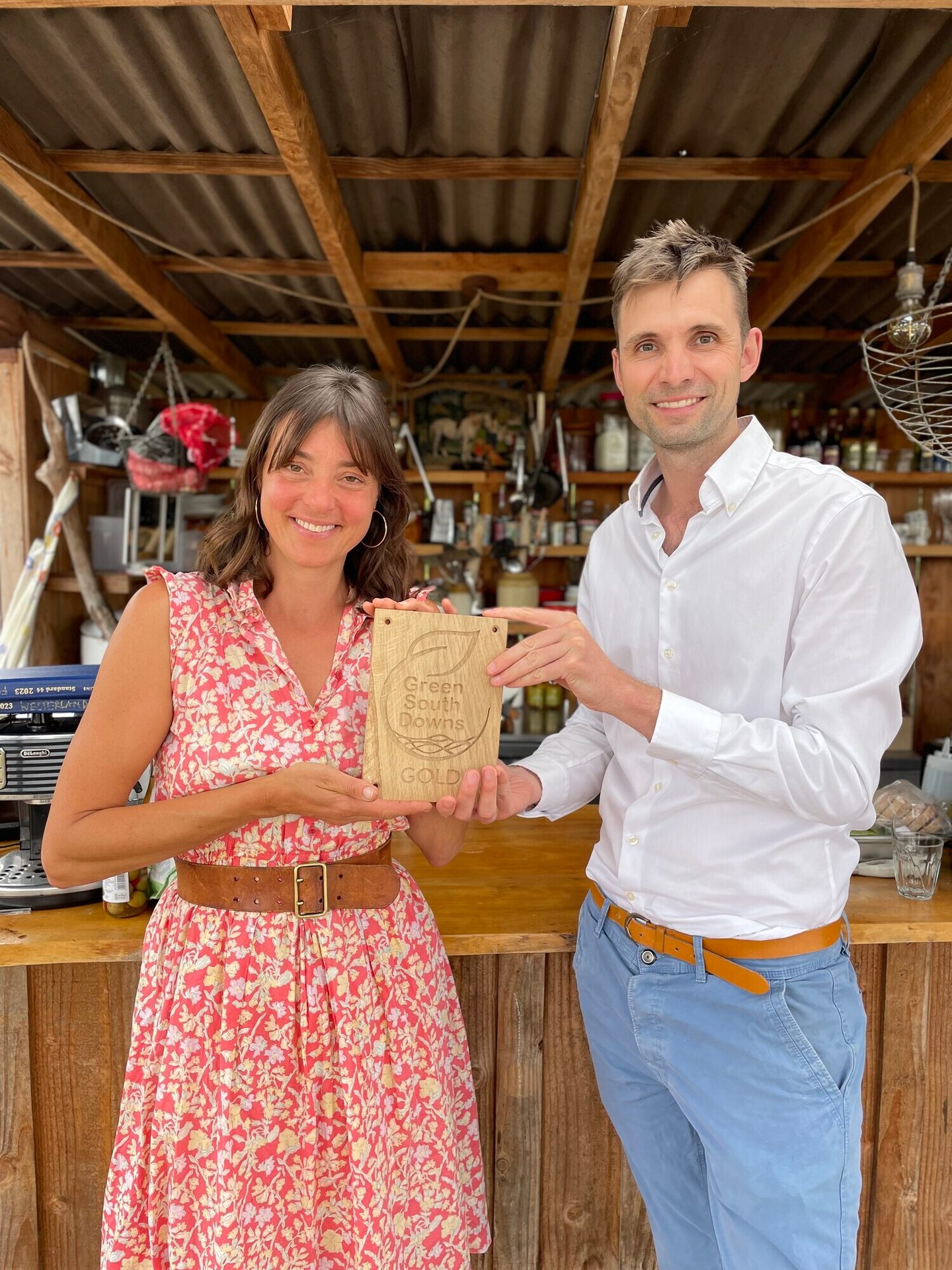
© SDNPA

Read more
Both the communities of the National Park and the rural economy have been strongly shaped by the landscape. This can be seen in the growth of new land-based industries such as viticulture, with the National Park now home to 49 vineyards and 11 wineries. The landscape has also been shaped by the people who have lived in and cared for it. Key habitats such as chalk grassland and lowland heath developed because of human activity, leading to unique, species-rich habitats. The dew ponds that now provide vital watery oases for wildlife at the tops of the Downs were originally put in place for the grazing animals whose activity led to the development of species-rich chalk grassland.
The communities of the South Downs live and work in this landscape and have a vital role in creating, shaping and maintaining the special qualities for which the National Park is celebrated. A vibrant rural economy and homes that meet local needs underpin this.
Yet, human pressures on the National Park are very real, with half of the carbon emissions in the National Park coming from visitors and businesses. We, alongside the wider UK National Park family, are committed to regenerative tourism where the aim is not only to minimise the impacts of tourism, but to strive towards tourism making a net positive contribution to our National Parks. As we face the challenges of nature loss and climate change, we must work together to secure a positive future for this special place so that it can be enjoyed and loved by generations to come. Many of the aims in this Partnership Plan simply cannot be achieved without the positive actions of our communities, and our farmers and other rural businesses. Positive action is already happening all over the National Park, but it must be underpinned by a healthy local economy providing jobs for people, affordable homes in our communities, supplying local goods to reduce transport miles, supporting active and sustainable transport, and promoting regenerative tourism.
The UK National Parks Commitment to Regenerative Tourism:
- Champion and support tourism development that contributes to the enhancement and regeneration of the places and communities in which it operates.
- Support tourism activity that helps reduce carbon emissions and increases nature recovery, while ensuring National Parks are relevant to everyone’s needs.
While destination management is not led by the National Park Authority or any one body across the National Park, working together we can support a welcoming, thriving, nature-rich and climate positive National Park that works for all. This work will be underpinned by the evidence from the 2025 South Down Visitor Accommodation Review and Regenerative Tourism Policy SDE7 in the draft South Downs Local Plan 2024-2042.
Read more
Both the communities of the National Park and the rural economy have been strongly shaped by the landscape. This can be seen in the growth of new land-based industries such as viticulture, with the National Park now home to 49 vineyards and 11 wineries. The landscape has also been shaped by the people who have lived in and cared for it. Key habitats such as chalk grassland and lowland heath developed because of human activity, leading to unique, species-rich habitats. The dew ponds that now provide vital watery oases for wildlife at the tops of the Downs were originally put in place for the grazing animals whose activity led to the development of species-rich chalk grassland.
The communities of the South Downs live and work in this landscape and have a vital role in creating, shaping and maintaining the special qualities for which the National Park is celebrated. A vibrant rural economy and homes that meet local needs underpin this.
Yet, human pressures on the National Park are very real, with half of the carbon emissions in the National Park coming from visitors and businesses. We, alongside the wider UK National Park family, are committed to regenerative tourism where the aim is not only to minimise the impacts of tourism, but to strive towards tourism making a net positive contribution to our National Parks. As we face the challenges of nature loss and climate change, we must work together to secure a positive future for this special place so that it can be enjoyed and loved by generations to come. Many of the aims in this Partnership Plan simply cannot be achieved without the positive actions of our communities, and our farmers and other rural businesses. Positive action is already happening all over the National Park, but it must be underpinned by a healthy local economy providing jobs for people, affordable homes in our communities, supplying local goods to reduce transport miles, supporting active and sustainable transport, and promoting regenerative tourism.
The UK National Parks Commitment to Regenerative Tourism:
- Champion and support tourism development that contributes to the enhancement and regeneration of the places and communities in which it operates.
- Support tourism activity that helps reduce carbon emissions and increases nature recovery, while ensuring National Parks are relevant to everyone’s needs.
While destination management is not led by the National Park Authority or any one body across the National Park, working together we can support a welcoming, thriving, nature-rich and climate positive National Park that works for all. This work will be underpinned by the evidence from the 2025 South Down Visitor Accommodation Review and Regenerative Tourism Policy SDE7 in the draft South Downs Local Plan 2024-2042.
Read more
Both the communities of the National Park and the rural economy have been strongly shaped by the landscape. This can be seen in the growth of new land-based industries such as viticulture, with the National Park now home to 49 vineyards and 11 wineries. The landscape has also been shaped by the people who have lived in and cared for it. Key habitats such as chalk grassland and lowland heath developed because of human activity, leading to unique, species-rich habitats. The dew ponds that now provide vital watery oases for wildlife at the tops of the Downs were originally put in place for the grazing animals whose activity led to the development of species-rich chalk grassland.
The communities of the South Downs live and work in this landscape and have a vital role in creating, shaping and maintaining the special qualities for which the National Park is celebrated. A vibrant rural economy and homes that meet local needs underpin this.
Yet, human pressures on the National Park are very real, with half of the carbon emissions in the National Park coming from visitors and businesses. We, alongside the wider UK National Park family, are committed to regenerative tourism where the aim is not only to minimise the impacts of tourism, but to strive towards tourism making a net positive contribution to our National Parks. As we face the challenges of nature loss and climate change, we must work together to secure a positive future for this special place so that it can be enjoyed and loved by generations to come. Many of the aims in this Partnership Plan simply cannot be achieved without the positive actions of our communities, and our farmers and other rural businesses. Positive action is already happening all over the National Park, but it must be underpinned by a healthy local economy providing jobs for people, affordable homes in our communities, supplying local goods to reduce transport miles, supporting active and sustainable transport, and promoting regenerative tourism.
The UK National Parks Commitment to Regenerative Tourism:
- Champion and support tourism development that contributes to the enhancement and regeneration of the places and communities in which it operates.
- Support tourism activity that helps reduce carbon emissions and increases nature recovery, while ensuring National Parks are relevant to everyone’s needs.
While destination management is not led by the National Park Authority or any one body across the National Park, working together we can support a welcoming, thriving, nature-rich and climate positive National Park that works for all. This work will be underpinned by the evidence from the 2025 South Down Visitor Accommodation Review and Regenerative Tourism Policy SDE7 in the draft South Downs Local Plan 2024-2042.

Objective 7.1
To support the growth of a greener economy across the National Park while providing outstanding visitor experiences that benefit our communities and landscape.
Working in partnership we will explore ways for visitors and tourism to contribute positively to nature, climate and people and to be supported in making positive visiting choices.
Targets for Objective 7.1
Target 7.1a: Support Local Visitor Economy Partnerships (LVEPs) and other equivalent bodies to achieve Tourism GVA growth by increasing Tourism £GVA within the SDNP by 25% by 2030 from 2024 baseline.
Target 7.1b: Visitor experience: 99% of visitors to rate their enjoyment of the National Park as “high” or “very high”.
Target 7.1c: By 2031, achieve a 43% reduction in tourism-related carbon emissions, lowering the total from 747,000 tonnes CO₂e to 428,542 tonnes CO₂e.
Read more about Objective 7.1
The landscape and communities of the National Park are connected. They are the basis for the unique visitor experience that people have when they visit the South Downs, whether it be visiting one of our market towns and villages, stepping back in time exploring an Iron Age hillfort or tasting award-winning sparkling wine.
Many tourists and more local visitors come to the National Park not only to experience its beauty, but for an opportunity for their visit to contribute positively to our climate action and nature recovery. The focus must be to get the balance between enjoyment and care right.
The National Park is a constantly evolving place and the wider world is changing rapidly and facing a time of great economic uncertainty which is being felt by communities and businesses in the National Park. However, positive areas of activity align well with the National Park purposes. The UK economy grew just 0.9 per cent in 2024, while the green economy grew 10 per cent in the same period1. In the National Park, a greener economy is key to ensuring a sustainable future for this landscape, its businesses and its communities, while welcoming all those who visit here with an outstanding visitor experience.
What do we mean by a "green economy"?
The green economy sectors of the National Park are low-carbon infrastructure, sustainable land management, nature recovery, renewable energy, local food systems, eco-tourism and environmental consultancy.
It is estimated that continued nature degradation, exacerbated by climate change could lead to a 4.7 per cent reduction in the UK GDP by 2030. A greener economy supports vibrant local communities through services, employment and amenities. Businesses that adapt and that actively lean into green, join a booming sub-sector, that also gets them future-ready for the UK’s transition to a net zero economy. Farmers and other land-based businesses can run profitable businesses producing food and drink alongside supporting climate action and nature recovery.
The growth and development of supportive sustainable business networks in and around the National Park, help it to become a green economic hub through peer support, community and shared learning.’ The shared goal is to help businesses to connect with each other, and to share and develop skills, learning and resources, and to continue to work together to be important custodians of this protected landscape.
The visitor economy contributes £553 million to the local economy, providing employment and inspirational experiences with the National Park. However, the effects of tourism are being felt disproportionally across the National Park, with nature and communities in some hot spots being negatively impacted by too many visitors. Too many visitors in one place also impacts negatively on the experiences of those visitors. Experiencing the lesser-known gems of the National Park and discovering it in new ways, whether that be experiencing our dark night skies or a tranquil walk on less well trodden paths will benefit both visitors and the National Park and will disperse the benefits across the National Park.
Read more about Objective 7.1
The landscape and communities of the National Park are connected. They are the basis for the unique visitor experience that people have when they visit the South Downs, whether it be visiting one of our market towns and villages, stepping back in time exploring an Iron Age hillfort or tasting award-winning sparkling wine.
Many tourists and more local visitors come to the National Park not only to experience its beauty, but for an opportunity for their visit to contribute positively to our climate action and nature recovery. The focus must be to get the balance between enjoyment and care right.
The National Park is a constantly evolving place and the wider world is changing rapidly and facing a time of great economic uncertainty which is being felt by communities and businesses in the National Park. However, positive areas of activity align well with the National Park purposes. The UK economy grew just 0.9 per cent in 2024, while the green economy grew 10 per cent in the same period1. In the National Park, a greener economy is key to ensuring a sustainable future for this landscape, its businesses and its communities, while welcoming all those who visit here with an outstanding visitor experience.
What do we mean by a "green economy"?
The green economy sectors of the National Park are low-carbon infrastructure, sustainable land management, nature recovery, renewable energy, local food systems, eco-tourism and environmental consultancy.
It is estimated that continued nature degradation, exacerbated by climate change could lead to a 4.7 per cent reduction in the UK GDP by 2030. A greener economy supports vibrant local communities through services, employment and amenities. Businesses that adapt and that actively lean into green, join a booming sub-sector, that also gets them future-ready for the UK’s transition to a net zero economy. Farmers and other land-based businesses can run profitable businesses producing food and drink alongside supporting climate action and nature recovery.
The growth and development of supportive sustainable business networks in and around the National Park, help it to become a green economic hub through peer support, community and shared learning.’ The shared goal is to help businesses to connect with each other, and to share and develop skills, learning and resources, and to continue to work together to be important custodians of this protected landscape.
The visitor economy contributes £553 million to the local economy, providing employment and inspirational experiences with the National Park. However, the effects of tourism are being felt disproportionally across the National Park, with nature and communities in some hot spots being negatively impacted by too many visitors. Too many visitors in one place also impacts negatively on the experiences of those visitors. Experiencing the lesser-known gems of the National Park and discovering it in new ways, whether that be experiencing our dark night skies or a tranquil walk on less well trodden paths will benefit both visitors and the National Park and will disperse the benefits across the National Park.
What do we mean by green economy?
The green economy sectors of the National Park are low-carbon infrastructure, sustainable land management, nature recovery, renewable energy, local food systems, eco-tourism and environmental consultancy.

Read more about Objective 7.1
The landscape and communities of the National Park are connected. They are the basis for the unique visitor experience that people have when they visit the South Downs, whether it be visiting one of our market towns and villages, stepping back in time exploring an Iron Age hillfort or tasting award-winning sparkling wine.
Many tourists and more local visitors come to the National Park not only to experience its beauty, but for an opportunity for their visit to contribute positively to our climate action and nature recovery. The focus must be to get the balance between enjoyment and care right.
The National Park is a constantly evolving place and the wider world is changing rapidly and facing a time of great economic uncertainty which is being felt by communities and businesses in the National Park. However, positive areas of activity align well with the National Park purposes. The UK economy grew just 0.9 per cent in 2024, while the green economy grew 10 per cent in the same period1. In the National Park, a greener economy is key to ensuring a sustainable future for this landscape, its businesses and its communities, while welcoming all those who visit here with an outstanding visitor experience.
It is estimated that continued nature degradation, exacerbated by climate change could lead to a 4.7 per cent reduction in the UK GDP by 2030. A greener economy supports vibrant local communities through services, employment and amenities. Businesses that adapt and that actively lean into green, join a booming sub-sector, that also gets them future-ready for the UK’s transition to a net zero economy. Farmers and other land-based businesses can run profitable businesses producing food and drink alongside supporting climate action and nature recovery.
The growth and development of supportive sustainable business networks in and around the National Park, help it to become a green economic hub through peer support, community and shared learning. The shared goal is to help businesses to connect with each other, and to share and develop skills, learning and resources, and to continue to work together to be important custodians of this protected landscape.
The visitor economy contributes £553 million to the local economy, providing employment and inspirational experiences with the National Park. However, the effects of tourism are being felt disproportionally across the National Park, with nature and communities in some hot spots being negatively impacted by too many visitors. Too many visitors in one place also impacts negatively on the experiences of those visitors. Experiencing the lesser-known gems of the National Park and discovering it in new ways, whether that be experiencing our dark night skies or a tranquil walk on less well trodden paths will benefit both visitors and the National Park and will disperse the benefits across the National Park.
Objective 7.2
To support the needs of local communities through affordable, accessible and low-carbon housing.
The provision of affordable, accessible and low-carbon housing to meet local needs is crucial to ensuring the sustainability and vitality of communities within the National Park, to sustain future generations and communities, and to support rural enterprise by providing homes for local workers.
Targets for Objective 7.2
Target 7.2a: 300 affordable dwellings to be completed by 2031 (60 per year).
Target 7.2b: Extant permission for 500 affordable dwellings granted by 2031 (100 per year).
Target 7.3c: Extant permission for 1,000 accessible and adaptable homes to be granted by 2031*.
*All housing targets must be in alignment with allocations in the South Downs Local Plan, which sets housing numbers.
Read more about Objective 7.2
Housing costs in the south east are the most expensive in the UK1 and properties within the National Park are more expensive than similar properties outside. In addition, one-third of households in the National Park have an annual income lower than £30,000. Access to affordable homes is limited, meaning that many residents may have to travel further for suitable housing and employment. This is a real barrier to maintaining thriving communities where people who work within the National Park can live here, especially young people and families. The demand from affluent urban households seeking a move to the countryside, coupled with limited land availability, exacerbates the issue.
Additional challenges include maintaining local facilities and services such as shops, pubs and primary schools, and addressing the impacts of an ageing population on health and social care facilities.
The lack of affordable housing significantly affects those with lower incomes, often forcing them to relocate and leave behind their support systems and employment opportunities. This outflow of families can disrupt village communities, reducing access to local services and impacting businesses that rely on a steady network of employees and customers.
Affordability is also a key issue in moving towards low-carbon homes. Low-carbon homes are not only better for the planet, they can also be cheaper to run, but retrofitting can be expensive and many properties in the National Park are dependent on oil because of their rural location. More people travelling into the National Park for work also increases the amount of CO2 emissions and air quality and impacts our goal to be net zero by 2040.
What is an "affordable" home?
- An affordable home is housing provided to eligible households whose needs are not met by the market. It includes houses for sale and for rental.
- The Government defines affordable housing for sale as a minimum 30 per cent below market rates, while affordable rent is defined as rent that is no more than 80 per cent of local market rent.
Since the adoption of the South Downs Local Plan, the proportion of planning permissions for affordable homes has been increasing, however, there are delivery challenges specifically for ‘Registered Providers’ who are responsible for the ongoing management of affordable homes. These challenges are faced across the country but are particularly acute in rural areas where sites for affordable homes are smaller and less viable for Registered Providers.
The South Downs National Park Authority is committed to supporting the delivery of affordable homes through our planning policies and collaboration with Registered Providers, ensuring such homes are included in market-led development (known as S106 sites). We also recognise the vital role of rural exception sites in increasing affordable housing for local people in the countryside. To expand the potential of these sites in fostering resilient communities, we will work with Rural Housing Enablers and Parish Councils with identified housing needs, to locate and assess suitable land, and offer appropriate incentives to landowners to bring forward sites for much-needed affordable housing. Additionally, we provide grants to those building affordable homes on rural exception sites or through non-profit making organisations such as Community Land Trusts.
Accessible homes are vital to ensuring that the National Park is for everyone. Over 26 per cent of the residents on the National Park are over 65, more than the region and country. This percentage is expected to increase significantly which means more residents living with age-related health issues such as mobility problems.
The provision of affordable, accessible and low-carbon housing to meet local needs is crucial to ensuring the sustainability and vitality of communities within the National Park, to sustain future generations and communities, and to support rural enterprise by providing homes for local workers.
Read more about Objective 7.2
Housing costs in the south east are the most expensive in the UK1 and properties within the National Park are more expensive than similar properties outside. In addition, one-third of households in the National Park have an annual income lower than £30,000. Access to affordable homes is limited, meaning that many residents may have to travel further for suitable housing and employment. This is a real barrier to maintaining thriving communities where people who work within the National Park can live here, especially young people and families. The demand from affluent urban households seeking a move to the countryside, coupled with limited land availability, exacerbates the issue.
Additional challenges include maintaining local facilities and services such as shops, pubs and primary schools, and addressing the impacts of an ageing population on health and social care facilities.
The lack of affordable housing significantly affects those with lower incomes, often forcing them to relocate and leave behind their support systems and employment opportunities. This outflow of families can disrupt village communities, reducing access to local services and impacting businesses that rely on a steady network of employees and customers.
Affordability is also a key issue in moving towards low-carbon homes. Low-carbon homes are not only better for the planet, they can also be cheaper to run, but retrofitting can be expensive and many properties in the National Park are dependent on oil because of their rural location. More people travelling into the National Park for work also increases the amount of CO2 emissions and air quality and impacts our goal to be net zero by 2040.
What is an "affordable" home?
- An affordable home is housing provided to eligible households whose needs are not met by the market. It includes houses for sale and for rental.
- The Government defines affordable housing for sale as a minimum 30 per cent below market rates, while affordable rent is defined as rent that is no more than 80 per cent of local market rent.
Since the adoption of the South Downs Local Plan, the proportion of planning permissions for affordable homes has been increasing, however, there are delivery challenges specifically for ‘Registered Providers’ who are responsible for the ongoing management of affordable homes. These challenges are faced across the country but are particularly acute in rural areas where sites for affordable homes are smaller and less viable for Registered Providers.
The South Downs National Park Authority is committed to supporting the delivery of affordable homes through our planning policies and collaboration with Registered Providers, ensuring such homes are included in market-led development (known as S106 sites). We also recognise the vital role of rural exception sites in increasing affordable housing for local people in the countryside. To expand the potential of these sites in fostering resilient communities, we will work with Rural Housing Enablers and Parish Councils with identified housing needs, to locate and assess suitable land, and offer appropriate incentives to landowners to bring forward sites for much-needed affordable housing. Additionally, we provide grants to those building affordable homes on rural exception sites or through non-profit making organisations such as Community Land Trusts.
Accessible homes are vital to ensuring that the National Park is for everyone. Over 26 per cent of the residents on the National Park are over 65, more than the region and country. This percentage is expected to increase significantly which means more residents living with age-related health issues such as mobility problems.
The provision of affordable, accessible and low-carbon housing to meet local needs is crucial to ensuring the sustainability and vitality of communities within the National Park, to sustain future generations and communities, and to support rural enterprise by providing homes for local workers.
Read more about Objective 7.2
Housing costs in the south east are the most expensive in the UK and properties within the National Park are more expensive than similar properties outside. In addition, one-third of households in the National Park have an annual income lower than £30,000. Access to affordable homes is limited, meaning that many residents may have to travel further for suitable housing and employment. This is a real barrier to maintaining thriving communities where people who work within the National Park can live here, especially young people and families. The demand from affluent urban households seeking a move to the countryside, coupled with limited land availability, exacerbates the issue.
Additional challenges include maintaining local facilities and services such as shops, pubs and primary schools, and addressing the impacts of an ageing population on health and social care facilities.
The lack of affordable housing significantly affects those with lower incomes, often forcing them to relocate and leave behind their support systems and employment opportunities. This outflow of families can disrupt village communities, reducing access to local services and impacting businesses that rely on a steady network of employees and customers.
Affordability is also a key issue in moving towards low-carbon homes. Low-carbon homes are not only better for the planet, they can also be cheaper to run, but retrofitting can be expensive and many properties in the National Park are dependent on oil because of their rural location. More people travelling into the National Park for work also increases the amount of CO2 emissions and air quality and impacts our goal to be net zero by 2040.
Since the adoption of the South Downs Local Plan, the proportion of planning permissions for affordable homes has been increasing, however, there are delivery challenges specifically for ‘Registered Providers’ who are responsible for the ongoing management of affordable homes. These challenges are faced across the country but are particularly acute in rural areas where sites for affordable homes are smaller and less viable for Registered Providers.
The South Downs National Park Authority is committed to supporting the delivery of affordable homes through our planning policies and collaboration with Registered Providers, ensuring such homes are included in market-led development (known as S106 sites). We also recognise the vital role of rural exception sites in increasing affordable housing for local people in the countryside. To expand the potential of these sites in fostering resilient communities, we will work with Rural Housing Enablers and Parish Councils with identified housing needs, to locate and assess suitable land, and offer appropriate incentives to landowners to bring forward sites for much-needed affordable housing. Additionally, we provide grants to those building affordable homes on rural exception sites or through non-profit making organisations such as Community Land Trusts.
Accessible homes are vital to ensuring that the National Park is for everyone. Over 26 per cent of the residents on the National Park are over 65, more than the region and country. This percentage is expected to increase significantly which means more residents living with age-related health issues such as mobility problems.
The provision of affordable, accessible and low-carbon housing to meet local needs is crucial to ensuring the sustainability and vitality of communities within the National Park, to sustain future generations and communities, and to support rural enterprise by providing homes for local workers.
What is an "affordable" home?
- An affordable home is housing provided to eligible households whose needs are not met by the market. It includes houses for sale and for rental.
- The Government defines affordable housing for sale as a minimum 30 per cent below market rates, while affordable rent is defined as rent that is no more than 80 per cent of local market rent.