Climate change is already impacting many aspects of the National Park, from its habitats and species diversity through to essential natural resources such as water and soils, its businesses and communities. There is a growing swell of community-based climate action across the National Park, and this is vital to achieving net zero by 2040. Climate change is also transforming land use and landscape character. Biodiversity net gain (BNG) and carbon offsetting will increase tree cover and this means the landscape will look different. Working together as a National Park family, we have ambitious targets to reach net zero by 2040. We are also working closely with our farmers, foresters, land managers and businesses to make sure that our ReNature credits and carbon offsetting enable farmers and land managers to run profitable thriving rural enterprises, while also delivering for climate, nature and people.
Partnership Management Plan 2026-2031
Challenges and Opportunities
© Vince Knight
The South Downs National Park is a living, changing landscape that is being impacted by many key issues, from local to international, some completely outside of our control.
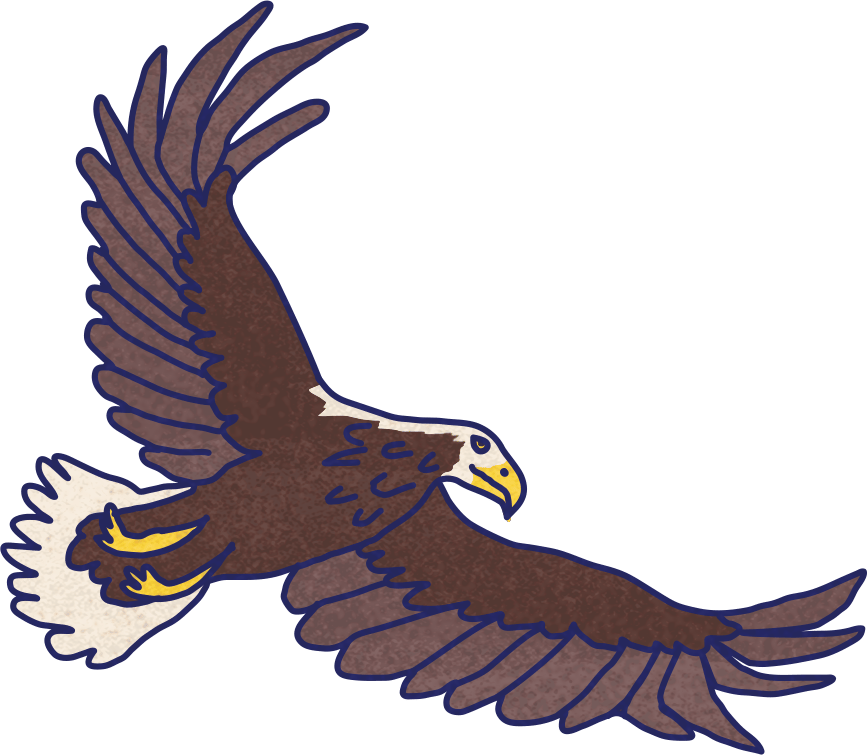

Click to hear the white-tailed eagle.
Tap to hear the white-tailed eagle.
We are committed to understanding these issues and the impact they are having or may have on the National Park, so that we can respond, adapt and take action to secure a positive future.
We also stand ready to work with partners to identify and act on opportunities to ensure a positive future for the National Park. As part of our work in preparing this plan for the next five years, we have spoken to farmers, land managers, communities, businesses, parishes, other partners and visitors to understand not only what we should prioritise, but the challenges and opportunities we must face together to deliver on those priorities. More details can be found in our updated State of the Park Report (2024).
© Andy Reeves

Nature remains under huge pressure. The Government has set ambitious targets for nature recovery, and National Parks and other protected landscapes want to and need to lead the way. The development of Local Nature Recovery Strategies provides real opportunities to bring partners together to deliver nature recovery at a landscape scale. Cultural heritage is also emerging as an important sector in the fight for nature recovery and working with new partners and grant bodies will be crucial if we are to deliver nature everywhere, for everyone in the South Downs.
Farmers in the National Park have worked to deliver environmental improvements for decades. Funding is provided through agri-environments schemes, like Countryside Stewardship, Landscape Recovery and Sustainable Farm Incentive, and grant funding, from the National Lottery Heritage Fund to local grant giving trusts. Private finance also offers great potential to speed up and increase nature recovery, but it needs to be managed carefully to ensure that the right nature recovery happens in the right place, and that rigorous monitoring is in place. Farmers and other land managers are vital to nature recovery. In a landscape that is nearly 70 per cent farmed, we simply cannot do it without them.
Farmers in the National Park have worked to deliver environmental improvements for decades. Funding is provided through agri-environments schemes, like Countryside Stewardship, Landscape Recovery and Sustainable Farm Incentive, and grant funding, from the National Lottery Heritage Fund to local grant giving trusts. Private finance also offers great potential to speed up and increase nature recovery, but it needs to be managed carefully to ensure that the right nature recovery happens in the right place, and that rigorous monitoring is in place. Farmers and other land managers are vital to nature recovery. In a landscape that is nearly 70 per cent farmed, we simply cannot do it without them.
A thriving rural economy underpins the ability to be able to deliver for nature, climate and people. Many of the objectives in this shared plan for the National Park rely on delivery by the farmers, land managers, businesses and communities in and around the National Park. The rural economy and communities of the National Park are impacted by the growing economic uncertainty and by cuts to funding at a national and regional scale. This is affecting the resourcing of the National Park Authority and our partners large and small. The National Park Authority is investing in income generation and will work closely with partners to secure the funding needed to deliver on this Plan.
Farming is continuing to experience its biggest changes in decades, with changes to farming practices and pressures on farmers and land managers to deliver more – more food production, more for nature and more for climate. The Farming in Protected Landscapes (FiPL) programme targeted much-needed funding at farmers in National Parks and other protected landscapes to support that delivery. We welcomed the announcement in January 2026 that the FiPL programme had been extended for another three years. Certainty about the future of FiPL and wider agri-environment schemes is vital to supporting farmers and other land managers to continue to deliver for nature, climate and people while feeding the nation.
The South Downs is the most populated National Park in the UK, situated in the busiest part of the UK. The National Park is experiencing major housing development around its borders and neighbouring areas are increasingly struggling to meet housing demand. The communities and businesses of the National Park also need affordable and accessible housing if they are to continue to thrive and to ensure that those who work in the National Park can afford to live here. Continued housing demand is also placing increasing pressures on the water available, and this has implications for people, nature and agriculture.
Public transport – or a lack of public transport is a challenge for all of the National Parks across the UK. While the South Downs is served by quite a number of train stations, many areas are without regular bus routes or without any train stations or bus routes at all. There can also be a challenge to achieve that “last mile” into the National Park through public transport. Providing public transport is the responsibility of partner local authorities, many of whose budgets are under increasing pressure. The Authority is committed to continuing to work with our partners to find ways to improve and expand the public transport network into and around the National Park. Where routes exist, we are working to promote their wider use. There is, however, no quick and easy solution or a means to create significant change in the near future. The Authority is hopeful that devolution will provide opportunities for public transport issues to be addressed in future Partnership Management Plans.
Young people are central to the future of the National Park. They need opportunities to connect with this special landscape for their own health and wellbeing and to begin their journey as its future custodians. There is a growing gap in the number of green skills needed nationally, and this is reflected in the National Park, with implications for maintaining and adapting its built heritage, and delivering nature recovery and climate action on the ground. This Plan sets out to work with partners to create those opportunities for young people to connect with and help conserve this place for future generations.
Significant policy changes have happened or are happening that will have a huge impact on the National Park. The Levelling Up and Regeneration Act 2023 shifted the requirement for “Responsible Bodies” to further the purposes of National Parks. This strengthened legislation should form the basis for strong partnerships and joint working, enabling greater commitment and resources to the delivery of this Plan. Supporting delivery of this Plan is a key way in which relevant bodies can demonstrate their commitment to furthering the purposes of the National Park, as set out in the legislation. The Government has also introduced a new Protected Landscapes and Targets and Outcomes Framework which sets ambitious targets for National Parks and other protected landscapes. Significant changes will occur to local structures and partnerships during the life of this plan, with both devolution and local government reorganisation set to have a significant impact on the operation of the National Park and the delivery of this Plan. The National Park falls under two devolution partnerships – Sussex and Brighton, and Hampshire and the Solent. Close partnership working with the new authorities will be needed to ensure delivery of this Plan and to secure the positive future of the National Park and for the National Park to fully benefit the new authorities. The National Park currently has 15 local authorities represented on the Authority. There will be impacts on governance, partnership working and delivery.
While the pandemic may seem like a distant memory, its impacts are still being felt on our health and wellbeing. The health and wellbeing benefits of connecting with nature are well documented, yet many parts of our communities do not have the opportunity or means to access the National Park. This is particularly true for those who perhaps need it most; young people, people with health issues and disabilities, mental health issues, those with lower incomes, and those from ethnic minority backgrounds. We are committed to working with these communities to learn how to support better opportunities for access and connection.
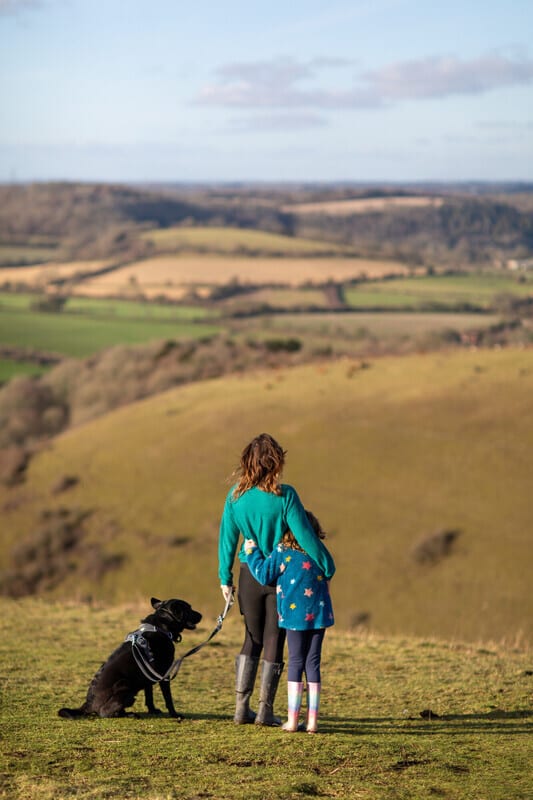
With more people enjoying the National Park come both pressures and opportunities. More people caring about the National Park and wanting to take action to care for it means more lives changed through the power of nature connection, more citizen scientists helping to gather the data that will aid in nature recovery, more volunteers taking practical action to help nature and to create a more accessible National Park, and more people behaving in a way that conserves the South Downs for others – now and in the future. However, a small minority of users of the National Park, both residents and visitors can create significant issues through their behaviour, even if, at times, unintentionally. One issue that came through again and again in the consultation was negative dog behaviour impacting wildlife, livestock and people’s enjoyment. We are committed to continuing our Take the Lead campaign promoting positive dog ownership and to working with our residents and visitors to create our South Downs champions of the future.